
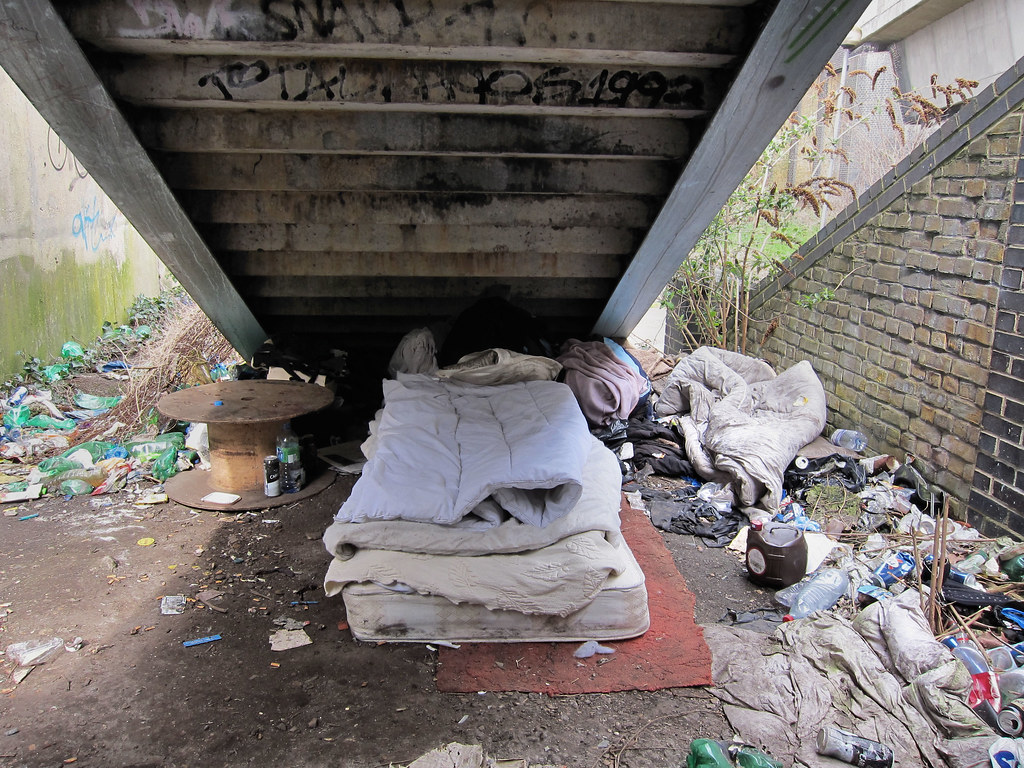
rents rising faster is becoming a significant issue as they are set to increase twice as fast as house prices. This trend raises questions for potential renters and buyers alike.
Understanding the Rental Market
The rental market is experiencing significant changes, with current trends indicating that rents rising faster than house prices is becoming a reality in many urban areas. This phenomenon is largely attributed to a combination of factors, including increased demand for rental properties and a shortage of available housing options.
As homeownership rates decline due to high property prices and tighter lending standards, more individuals are turning to rentals. This surge in demand puts upward pressure on rental prices, creating a competitive environment for tenants. Additionally, many cities are experiencing a demographic shift, with younger generations prioritizing flexibility and mobility over traditional homeownership.
Several key factors are contributing to this situation:
- Limited housing supply: New construction has not kept pace with population growth, leading to a scarcity of affordable rental options.
- Increased demand: As more people choose to rent, landlords are able to raise prices.
- Economic factors: Inflation and rising living costs are further straining renters’ budgets.
Given these dynamics, it is clear that the trajectory of the rental market will continue to be a critical issue for both renters and policymakers in the coming years.
Current House Price Trends
As the real estate market continues to evolve, current house price trends reveal a complex landscape. Over the past year, house prices have seen a moderate increase, but the rate of growth has not kept pace with rising rents. Data indicates that rents are rising faster than house prices in many urban areas, leading to greater affordability challenges for renters.
Several factors contribute to this disparity, including:
- Increased demand for rental properties: Many individuals are opting to rent due to uncertainties in the housing market.
- Limited housing supply: A shortage of available homes for purchase has driven prices up, while rental properties have flooded the market.
- Economic factors: Inflation and rising interest rates have made home buying less accessible, pushing more people into rentals.
Furthermore, projections suggest that in the coming months, rents will continue to increase significantly, outpacing house price growth in key metropolitan areas. This trend raises concerns about affordability and overall housing stability, highlighting the need for policy interventions to support renters facing these rising costs.
Cities Where Buying is Cheaper
In the current economic climate, many prospective homeowners are grappling with the reality that rents are rising faster than house prices in various markets. However, there are still cities where purchasing a home can be more affordable compared to renting. Here are some of those cities:
- Detroit, Michigan – With a revitalized economy and lower property prices, buying a home here is often cheaper than renting.
- Cleveland, Ohio – Known for its affordable housing options, Cleveland offers a lower cost of living while still providing ample amenities.
- Pittsburgh, Pennsylvania – This city combines a rich cultural scene with housing prices that are generally more favorable than rent.
- Buffalo, New York – Buffalo’s real estate market allows buyers to find great deals, often making buying cheaper than renting.
- Indianapolis, Indiana – With its growing job market and affordable homes, many find that buying is a more viable option.
These cities are noteworthy examples where buyers can find opportunities that defy the trend of rising rents. Understanding local market dynamics is essential for making informed housing decisions.
Factors Driving Rent Increases
The rental market is experiencing significant shifts, with various factors contributing to rents rising faster than house prices in many urban areas. Understanding these drivers is crucial for both renters and potential homebuyers.
- Increased Demand: An influx of new residents in metropolitan areas has intensified the competition for rental properties, leading to higher prices.
- Supply Constraints: Limited housing supply due to zoning regulations and construction delays has made it challenging for landlords to keep up with demand.
- Inflation: Rising costs of living, including utilities and maintenance, have prompted landlords to increase rents to maintain profitability.
- Remote Work Trends: As more people opt for remote work, cities that were previously less desirable are seeing a rise in rental demand, further driving up prices.
- Investor Activity: Increased interest from real estate investors seeking rental properties has added pressure to the market, pushing rents up.
As these factors intertwine, it becomes clear that the rental landscape is rapidly evolving, with rents rising faster than house prices becoming a reality for many. Understanding these dynamics can help individuals navigate their housing options more effectively.
What This Means for Renters
The rising costs of living are becoming a significant concern for many households, particularly as rents are rising faster than house prices in several regions. This trend can have profound implications for renters, who may find it increasingly difficult to manage their monthly expenses.
As rental prices surge, many individuals and families are faced with tough choices. Some may need to consider relocating to more affordable areas, while others might have to compromise on space or amenities. The following points outline what this means for renters:
- Budget Strain: Many renters will see a larger portion of their income allocated to housing costs, leaving less for savings and discretionary spending.
- Market Competition: Increased demand for affordable rentals can lead to bidding wars, pushing prices even higher.
- Longer Rental Tenures: With homeownership becoming less attainable, more people may choose to rent for longer periods, further tightening the rental market.
- Potential for Displacement: In rapidly gentrifying areas, long-time renters may face displacement due to escalating rents.
Understanding these implications is crucial for renters navigating this evolving landscape.
Recent studies indicate that in many urban areas, rents rising faster than house prices is becoming a concerning trend for potential homebuyers. This disparity can lead to increased financial strain on renters, making the dream of homeownership seem more distant.
By Alan Stanton via Openverse
Sources
Cicada Resort Ubud: Best New Spa for Spiritual Wellness · Is the Nitish Setu Bridge the Best Infrastructure in Bihar? · Nepal PM visit: Best Infrastructure Projects for Growth