
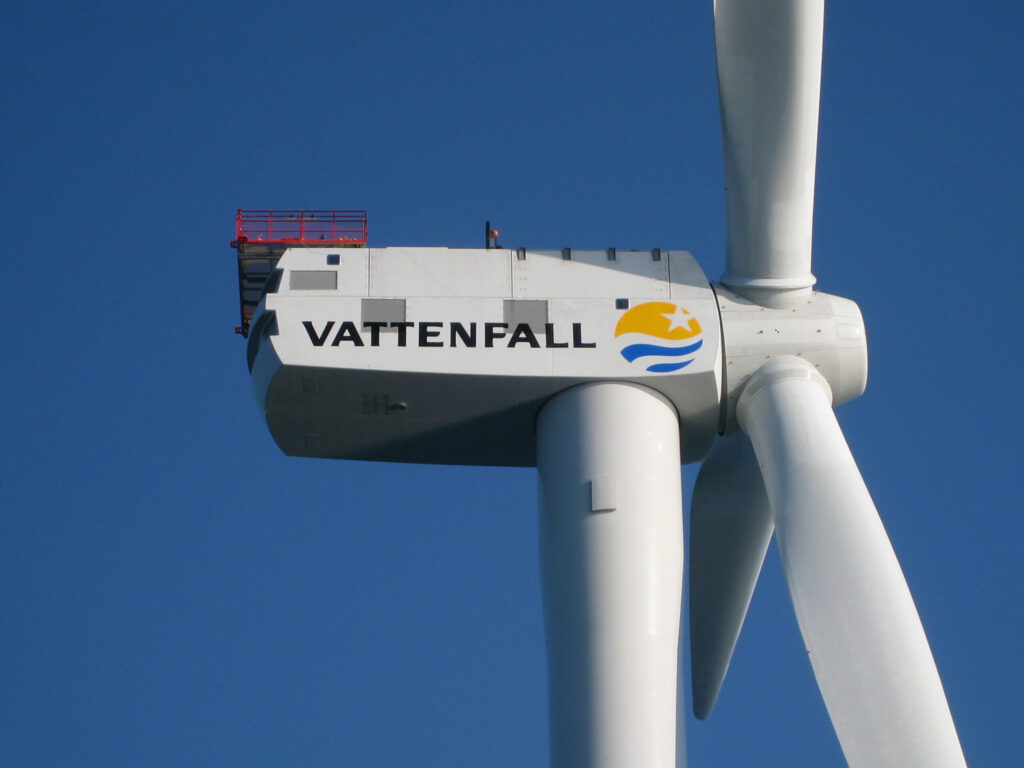
Repowering Wind Power Projects is becoming increasingly important in the renewable energy sector. The new SOP issued by CEA aims to streamline this process, ensuring better performance and longevity of wind energy systems.
Understanding Repowering Wind Power Projects
Repowering wind power projects involves upgrading existing wind farms to enhance their efficiency and output. This process typically includes replacing older turbines with newer, more advanced models that can generate more electricity and operate more efficiently.
According to the Central Electricity Authority (CEA), repowering initiatives aim to address the challenges of aging infrastructure and lower energy production. The guidelines issued by CEA outline the steps necessary for successful repowering, ensuring that projects comply with regulatory standards and maximize renewable energy contributions.
Some key benefits of repowering wind power projects include:
- Increased Energy Output: Newer turbines can significantly boost energy generation.
- Reduced Maintenance Costs: Advanced technology typically requires less upkeep.
- Environmental Impact: Improved efficiency can lead to lower overall land use.
Overall, repowering represents a critical strategy for enhancing the sustainability and profitability of wind energy initiatives.
Key Benefits of Repowering
Repowering wind power projects offers several key benefits that can significantly enhance energy production and efficiency. Firstly, it enables the replacement of older turbines with modern, more efficient models, which can lead to increased capacity and reduced operational costs.
Additionally, this process can extend the lifespan of wind farms by upgrading existing infrastructure, thereby maximizing the return on investment.
Moreover, repowering can reduce the environmental impact of wind energy, as newer turbines are often designed to be quieter and less intrusive. This transition also supports local economies by creating jobs in the installation and maintenance of new systems.
Finally, repowering wind power projects contributes to achieving renewable energy targets and promotes sustainability, making it a vital strategy in addressing climate change. Overall, the advantages of repowering can lead to a more resilient and efficient energy landscape.
New CEA SOP Guidelines
The Central Electricity Authority (CEA) has recently issued Standard Operating Procedures (SOP) for repowering wind power projects, a significant step that aims to streamline processes and enhance efficiency in the sector. These guidelines are designed to assist project developers in navigating the complexities associated with repowering efforts.
Key aspects of the new SOP include:
- Eligibility Criteria: Clearly defined parameters for projects that qualify for repowering.
- Environmental Compliance: Emphasis on adherence to environmental regulations during the repowering process.
- Financial Framework: Guidelines for funding and financial incentives available for developers.
By following these new SOP guidelines, stakeholders can better manage the challenges of repowering wind power projects, ultimately leading to increased energy generation and sustainability.
Future of Wind Energy Infrastructure
The future of wind energy infrastructure is poised for significant transformation as the industry embraces innovative techniques and technologies. With the increasing focus on repowering wind power projects, operators are looking to enhance efficiency and sustainability. The integration of advanced turbine technology not only improves energy output but also reduces maintenance costs over the lifespan of wind farms.
As regulatory frameworks evolve, stakeholders are encouraged to adopt best practices that align with the new CEA SOP guidelines. The emphasis on repowering offers a pathway to modernize aging wind farms, ensuring they remain competitive in a rapidly changing energy landscape. Key considerations for future projects include:
- Investment in research and development for new turbine designs
- Collaboration between private and public sectors
- Commitment to environmental sustainability and local community engagement
These factors will play a crucial role in shaping the next generation of wind energy infrastructure.
By Davagh via Openverse