
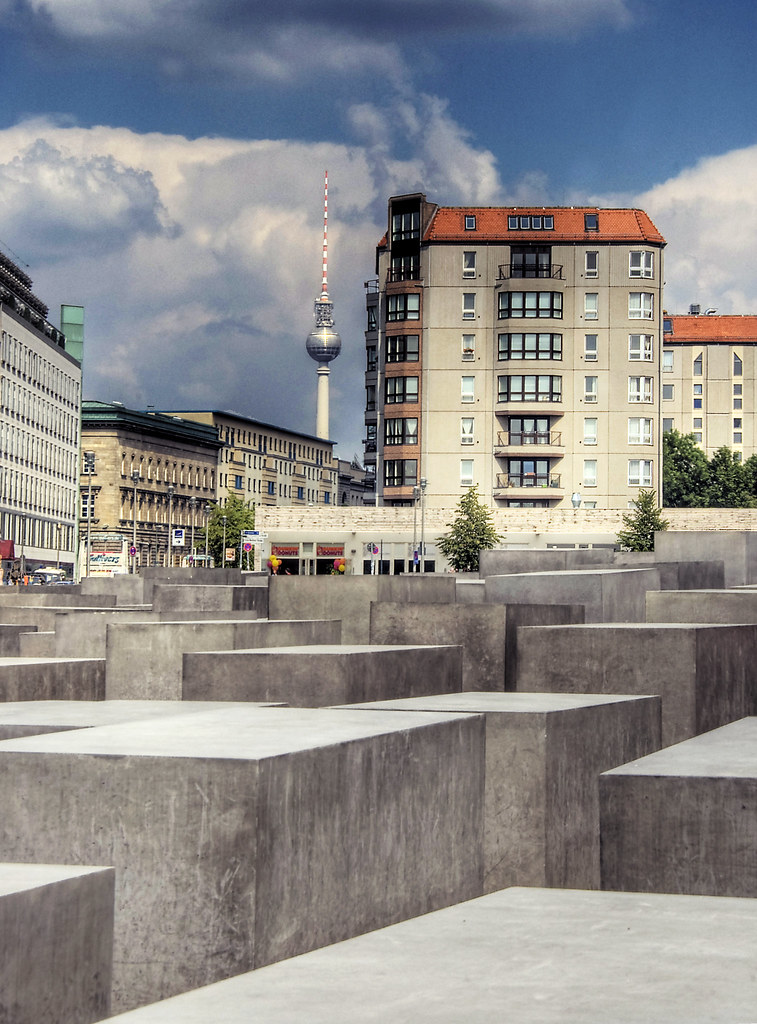
German office vacancies have surged to a decade-high, reflecting changing dynamics in the real estate market. This trend raises concerns about stagnating rents and the future of office spaces in major cities.
Current state of German office vacancies
The current state of German office vacancies reflects a concerning trend as the market faces an unprecedented level of empty spaces. Recent reports indicate that office vacancies in Germany have hit a decade-high, highlighting significant shifts in occupancy rates across major cities.
Several factors contribute to this troubling situation:
- Remote Work Trends: The rise of hybrid and remote work models has reduced the demand for traditional office spaces.
- Economic Uncertainty: Businesses are hesitant to commit to long-term leases amid fluctuating economic conditions.
- Changing Preferences: Companies are reevaluating their space needs, opting for flexible working environments.
As a result, the number of German office vacancies continues to rise, with some rents even stagnating as landlords adjust to the shifting landscape.
Impact of remote work on office demand
The rise of remote work has significantly impacted office demand across Germany, contributing to the current landscape of German office vacancies. As many companies adopt flexible work arrangements, the need for traditional office space has diminished. This shift has led to a notable increase in empty office spaces, with vacancy rates reaching a decade-high.
Several factors are influencing this trend:
- Shift in Work Culture: Employees now prioritize work-life balance, prompting businesses to rethink their office requirements.
- Cost Savings: Companies are seeking to reduce overhead costs by downsizing or eliminating physical office spaces.
- Technological Advancements: Improved collaboration tools enable teams to work effectively from various locations, reducing reliance on office environments.
As remote work continues to reshape the corporate landscape, the implications for German office vacancies are likely to persist.
Trends in office rental prices
The landscape of office rental prices in Germany is undergoing significant changes as the market adapts to evolving demands. Recent data indicates that German office vacancies have reached a concerning high, prompting landlords and businesses to reconsider pricing strategies.
Several trends have emerged in the rental market:
- Stagnant rents: Many landlords are facing challenges as competition increases, leading to a slowdown in rental price growth.
- Demand for flexible spaces: Companies are increasingly seeking adaptable office environments, influencing rental pricing dynamics.
- Shift in location preferences: Areas once deemed prime for office space are experiencing shifts, with some locations becoming less desirable.
These trends highlight the need for stakeholders to stay informed about market shifts that could impact the future of office rentals in Germany.
Cities most affected by vacancies
The surge in German office vacancies has hit several cities particularly hard, reflecting a broader trend in the commercial real estate market. The cities most affected by these vacancies include:
- Berlin – Once a booming hub for startups, the capital now faces significant challenges as companies rethink their office space needs.
- Frankfurt – The financial center has seen a rise in empty office buildings, contradicting its previously strong demand.
- Munich – Known for its thriving economy, Munich is now grappling with a noticeable increase in vacant office spaces.
- Hamburg – The port city is experiencing a slowdown, leading to higher vacancy rates in commercial properties.
These trends highlight the shift in workplace dynamics, intensifying concerns about the future of office spaces in Germany.
Future outlook for German real estate
The future outlook for German real estate remains uncertain as the trend of rising office vacancies continues to pose challenges for the market. Experts predict that the shift towards hybrid work models will have a long-lasting impact on the demand for office spaces.
As more companies adopt flexible working arrangements, the need for traditional office environments may diminish further, leading to an increase in vacant properties. In addition, many businesses are reconsidering their real estate strategies, opting for smaller or more adaptable spaces.
Furthermore, the economic climate and ongoing concerns about inflation may exacerbate the situation. Investors are advised to carefully evaluate the dynamics of the market, particularly as German office vacancies reach their worst levels in recent years.
- Continued rise in remote work adoption
- Increased focus on flexible office solutions
- Potential economic challenges ahead
Comparative analysis with other countries
A comparative analysis of German office vacancies reveals a concerning trend when juxtaposed with other European nations. Several countries have managed to stabilize their office markets despite the challenges posed by remote work. For instance, France has seen a moderate recovery in office occupancy rates, attributed to robust government support for businesses and innovative co-working solutions.
Similarly, the Netherlands has experienced a notable decrease in vacancy rates, driven by a shift towards flexible workspaces and increased demand for sustainable office environments. In contrast, Germany’s office vacancies continue to rise, reflecting a slower adaptation to these proven trends.
Moreover, cities like London and Paris have implemented policies to repurpose vacant spaces, reducing their office stock effectively. As German cities grapple with high vacancy rates, learning from these international examples may provide essential insights into potential solutions.
Government regulations and their effects
The recent surge in German office vacancies has prompted a closer examination of government regulations and their effects on the market. Authorities have implemented various policies aimed at revitalizing urban areas, but these measures have had mixed results.
Some regulations intended to stimulate economic growth have inadvertently contributed to the rise in vacant office spaces. For instance, strict zoning laws and lengthy approval processes for renovations deter potential investors. Additionally, the focus on sustainability has led to increased costs for property owners, making it challenging to maintain competitive rental prices in an increasingly saturated market.
Moreover, the push for green building certifications has left many older offices struggling to adapt, further exacerbating the issue of German office vacancies. As the market grapples with these regulatory hurdles, the long-term impact on occupancy rates remains uncertain.
Strategies for landlords in a changing market
As the landscape of German office vacancies evolves, landlords must adapt their strategies to remain competitive. With the increasing prevalence of remote work, traditional leasing models are being challenged, prompting landlords to explore innovative solutions.
Some effective strategies include:
- Flexible Leasing Options: Offering shorter lease terms or co-working spaces can attract tenants seeking adaptability.
- Renovation and Upgrades: Investing in modern amenities and sustainable features can make properties more appealing to potential renters.
- Targeted Marketing: Identifying and reaching niche markets, such as tech startups or creative industries, can help fill vacancies.
- Partnerships with Local Businesses: Collaborating with local firms to provide added value can enhance tenant retention.
By implementing these strategies, landlords can navigate the challenges posed by rising German office vacancies and maintain occupancy rates.
By Wolfgang Staudt via Openverse
Read the original
Related stories
Hisense E7S MiniLED TV: Is It the Best Value Option? · Amazon Echo Black Friday Deals: Best Prices You Can Find · Repowering Wind Power Projects: What’s the Best Approach?